Heat, hydration and performance
Ultraviolet exposure accumulates over years. Heat can put someone in hospital in an afternoon. On a hot day, heat comes first.
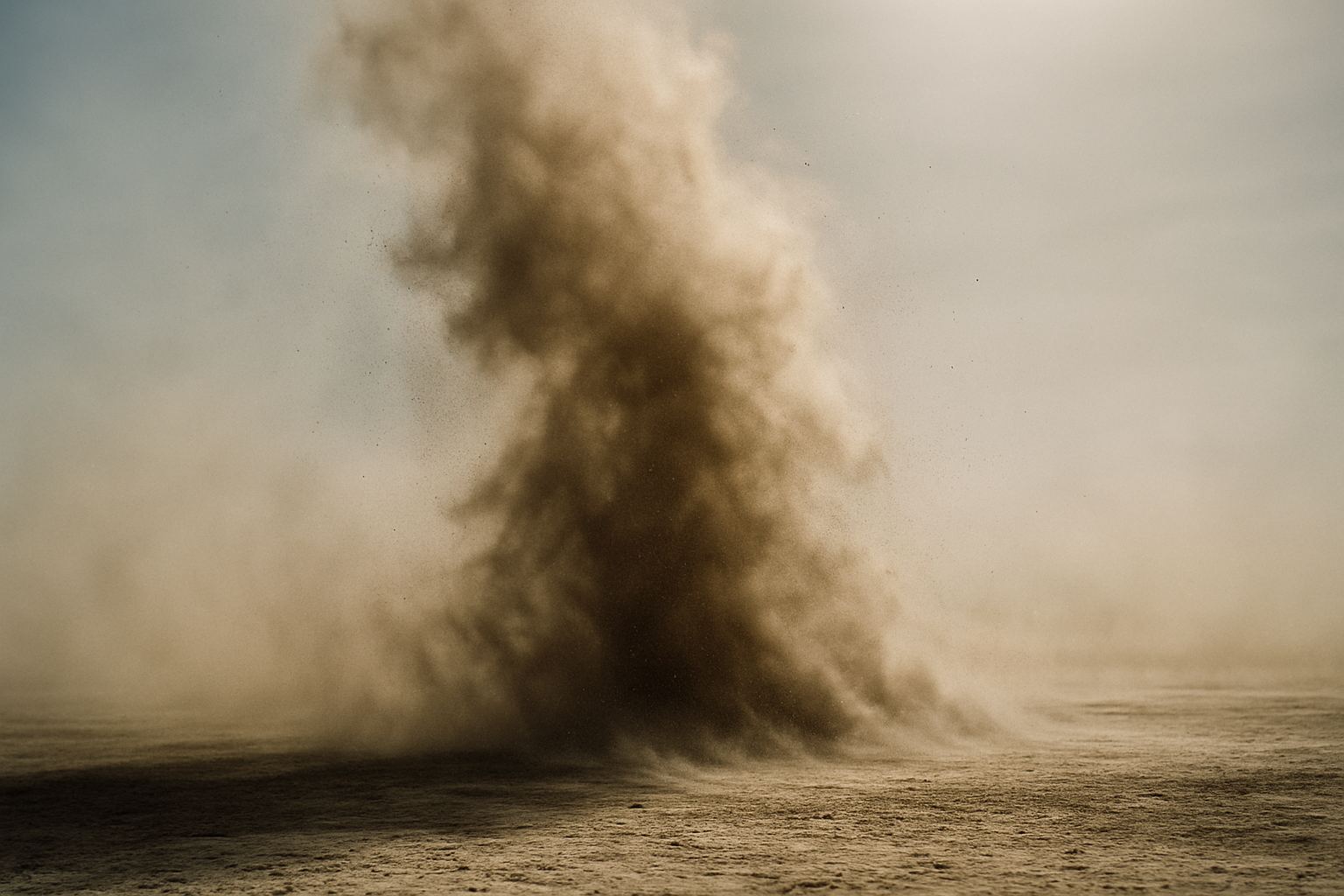
Heat and ultraviolet are different risks on different timescales. Ultraviolet exposure accumulates across years; heat illness can develop within a single session. On a hot day the heat plan comes first: water, pacing, shade, and knowing that somebody who becomes confused or seriously unwell needs 999. This site describes exposure, not treatment.
Almost everything else on this site is about something that accumulates quietly over decades. Heat is not like that. Heat illness develops within a session, sometimes quickly, and it is the risk that actually ends days out and sends people to hospital during a British heatwave. Any article about training in the sun that does not say so has its priorities wrong.
This piece therefore does two things. It explains why heat and ultraviolet interact in planning even though they are separate problems, and it is explicit about where this site stops. We do not describe symptoms in detail, we do not give treatment advice, and we do not tell anybody how to manage a person who is unwell. The NHS publishes guidance on heat exhaustion and heatstroke, and 999 is the number when somebody is seriously unwell.
For information on heat exhaustion and heatstroke, see the NHS. If somebody becomes confused, stops sweating, collapses or is seriously unwell in the heat, call 999. If you are unsure and it is not an emergency, NHS 111 exists for exactly that. Nothing on this site is a substitute for any of those, and we do not give treatment advice.
Why the two problems get planned together
Heat and ultraviolet arrive at the same time and from the same source, which is why they belong in the same session plan even though they are different risks. The peak of ultraviolet is around the middle of the day; the peak of air temperature usually comes a few hours later. So the hottest part of an afternoon is often not the most exposing part, and the most exposing part often does not feel like the hardest.
That mismatch produces a practical planning point. Moving a session to early morning reduces both. Moving it to the evening reduces the ultraviolet load a great deal and the heat load less, because the ground and the air are still warm. On a genuinely hot week, early is better than late for both problems at once.
| Heat | Ultraviolet | |
|---|---|---|
| Timescale | Within a session, sometimes within an hour | Accumulates across seasons and decades |
| Peak time of day | Usually mid to late afternoon | Around the middle of the day |
| Warning signs | The body gives clear ones, and they need acting on | None during the session. Damage is silent |
| Main controls | Water, pacing, shade, rest, reducing the work | Cover, timing, shade, applied product |
| Cloud | Reduces it somewhat, humidity may not | Thin and broken cloud transmits a great deal |
| Priority on the day | First | Second, and still worth planning |
What heat does to a session
Working in the heat means the body has to move blood to the skin to shed heat at the same time as supplying working muscle. That competition is why the same effort feels harder on a hot day, why pace falls for a given heart rate, and why the sensible response to a hot session is to reduce the intensity rather than to push through it. This is ordinary exercise physiology and coaches have understood it for a long time.
Humidity makes it worse, because sweat that cannot evaporate does not cool you. A humid twenty-two degree day can be more difficult than a dry twenty-eight degree one, and it is also the condition under which the most product ends up running into people's eyes, because sweat drips rather than evaporating.
Acclimatisation is real and takes time. People who train regularly in warm conditions cope better than people who do not, which is why the first hot day of a British summer causes more problems than a hot day in August. It is another argument for the seasonal awareness that runs through this site: the dangerous day is the unaccustomed one.
| Surface | Angle to the sun | Exposed for | What removes protection | Control that holds |
|---|---|---|---|---|
| Timing | Early morning reduces both heat and ultraviolet | 0-30 | Nothing | Move the session. Free, and the largest single change |
| Intensity | Same effort produces less output in heat | 60-120 | Nothing | Reduce the target. Judging by effort rather than pace is standard practice |
| Water | Availability determines how long you can safely be out | 2-4h | Nothing | Know where the next source is before you leave |
| Shade on the route | Reduces radiant heat load and ultraviolet at once | 2-4h | Nothing | Route choice, which serves both problems |
| Kit | Light, loose and breathable helps with both | 2-4h | Nothing | This is where cover and heat management agree rather than conflict |
| Knowing when to stop | The decision that matters most | 2-4h | Nothing | Have a rule set before you start, because judgement degrades in heat |
Hydration, without the mythology
This is an area with a great deal of confident nonsense attached to it, much of it involving numbers that vary enormously between individuals and conditions. This site will not add to it, and will not quote a figure for how much anybody should drink, because that depends on sweat rate, duration, conditions, body size and the individual.
What can be said generally is that fluid losses during prolonged exercise in heat are substantial and individually variable, that both underdrinking and very large overconsumption of plain water carry risks, and that the practical planning question is where the water is on your route rather than what number to hit. Anybody wanting specific guidance for their own situation, particularly with a medical condition or on medication, should ask a GP, a pharmacist or a registered dietitian.
Advice written for swimmers deals with heat quite differently, because water removes heat from the body far faster than air does and immersion changes the whole picture.
In land sport the body is shedding heat into warm air, often with little airflow, while working hard, wearing kit, and in direct sun. That is a fundamentally more difficult thermal situation and it is why heat illness is a land sport and outdoor work problem far more than a swimming one.
Groups where this needs more care
Some groups are more affected by heat and warrant more caution, and it is not this site's place to give clinical detail about any of them. In general terms, children, older adults, people with certain long-term conditions, people taking certain medications, and anyone unaccustomed to the heat all need more care in a hot spell. The NHS publishes information on heat and health and is the right source. A GP or a pharmacist is the right person to ask about a specific condition or medication.
For clubs and employers this is not simply a matter of individual responsibility. If you run a session or a shift, you are making the decision for everybody present, including the people in those groups, and the response is the same as everywhere else on this site: shade, timing, water, breaks, and a stated point at which the session changes or stops.
Building a heat rule before you need one
- Decide before the session what would make you shorten it or stop, and say it out loud if you are with others. Judgement in heat is worse than judgement in the shade.
- Know where water is on your route or your site, and know the distance to the next source.
- Reduce the target. Judging by effort rather than by pace or power is standard practice in heat and is not a concession.
- Take breaks in shade rather than in the sun, which is a small change with a large effect on radiant load.
- Look after the people around you. Somebody who has stopped making sense is a 999 call, not a coaching conversation.
- For clubs and employers, have a written position on hot weather before the hot week, not during it.
How this fits with the rest of the site
The reassuring part is that the two problems mostly agree. Moving a session earlier helps both. Shade helps both. Light, loose, breathable cover helps both. Breaks help both. There is only one genuine tension, which is that more cover can mean more heat, and it is resolved by choosing genuinely light and loose garments rather than by going uncovered.
On the day, when the two conflict, heat wins. Nobody has ever come to acute harm from an afternoon of ultraviolet exposure, and people do come to acute harm from heat. Plan the exposure across a season and plan the heat for the afternoon in front of you.
Questions
Which matters more on a hot day, heat or sun exposure?
Heat, on the day. Heat illness develops within a session and can be serious quickly, whereas ultraviolet exposure accumulates over years. Both are worth planning for, but if the two conflict in a single session the heat plan takes priority.
How much should I drink during a long session?
This site does not give a figure, because losses vary enormously between people and conditions and any single number quoted at you is a guess. The practical planning question is where water is available on your route or site. For individual guidance, particularly with a medical condition or on medication, ask a GP, a pharmacist or a registered dietitian.
Does the hottest part of the day have the strongest sun?
Not usually. Ultraviolet peaks around the middle of the day while air temperature typically peaks a few hours later, so the hottest part of an afternoon is often not the most exposing part. It is one reason temperature is a poor guide to exposure.
What are the signs of heat illness?
We do not describe symptoms or treatment here, because that is a clinical matter and getting it half right is worse than not attempting it. The NHS publishes guidance on heat exhaustion and heatstroke, and somebody who becomes confused, collapses or is seriously unwell needs 999.
Is it better to train early or late in a heatwave?
Early, generally, because it reduces both the ultraviolet load and the heat load. By the evening the ultraviolet has fallen a long way but the air and the ground are still warm, so the heat benefit is smaller.
This article has no commercial links. Nothing in it is sponsored, no product is named and no payment of any kind was received for anything written here. Water Resistant SPF is published by Water Resistant SPF and recommends no products at all. Our funding is set out in full on the about page.
The session brief
One email a month on exposure, heat and sun protection for people who train outdoors and people who work outdoors. No product recommendations, because we do not make any. Each issue carries a single clearly labelled sponsor line that has no influence on anything above it.
We store your address to send the newsletter and nothing else. Unsubscribe in one click. See the privacy notice and the rate card.