Spring, the unaccustomed season
The sun has climbed a long way by late March, the air is still cold, nobody has adjusted anything, and the first good weekend is seven hours long.
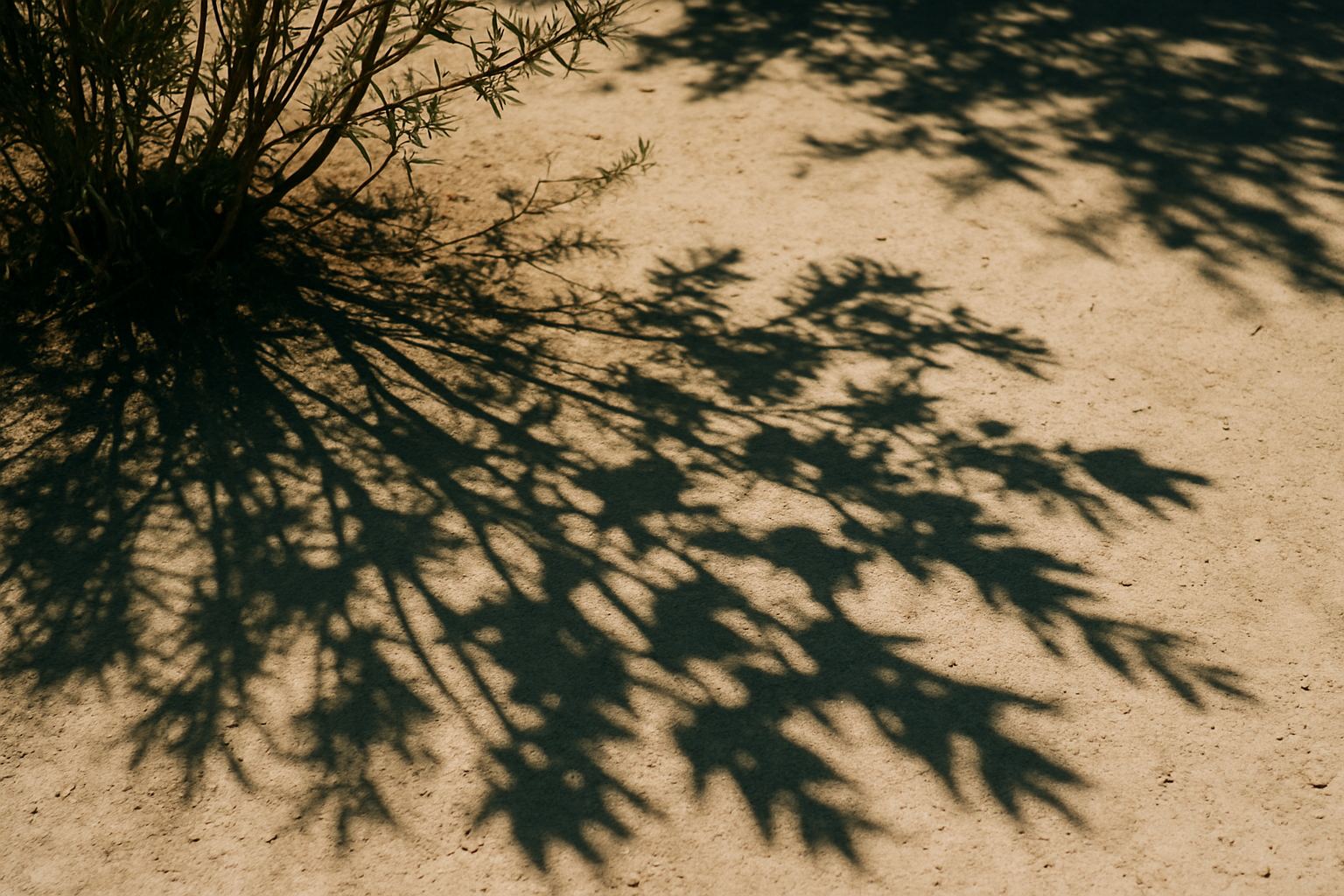
Between late winter and late spring the sun climbs a long way in the sky, so the ultraviolet load rises steeply, while air temperature lags well behind. Habits, kit and plans are all still set for winter, and the first good weekend produces a long day outdoors with no plan at all. Spring is when to reset, not June.
There is a predictable annual event in this country. A weekend in late March or April arrives with clear skies and an air temperature that feels merely pleasant. Everybody goes outside. Gardens get dug, first long rides happen, the hills fill up, the first fixtures are played, and a large number of people come indoors that evening with a burnt face and a genuine sense of surprise.
The surprise is the interesting part, because these are not careless people. They are people operating on a mental model in which sun exposure is a feature of hot weather, and the weather was not hot. The model is wrong, and spring is when it is most wrong.
What changes between February and May
The sun's height in the sky at midday rises steadily from the winter solstice through to midsummer, and how much ultraviolet reaches the ground depends heavily on that angle. The consequence is that the load in late spring is far closer to the summer figure than to the winter one, while air temperature is still much closer to the winter figure.
Several other things change at the same time and all of them point the same way. Days get long enough for long sessions again. Clubs restart. The gardening season begins. Snow may still be lying on high ground, providing strong reflection. And nobody has bought, packed or thought about anything relating to sun since the previous September.
| Factor | Winter | Spring | Consequence |
|---|---|---|---|
| Sun height at midday | Low | Much higher, and rising weekly | The ultraviolet load rises steeply |
| Air temperature | Cold | Still cool | Nothing warns you that anything has changed |
| Session length | Short, daylight limited | Long, because the evenings have arrived | Duration multiplies the load |
| Habits and kit | Set for cold | Still set for cold | No hat, no cover plan, nothing in the pocket |
| Snow on high ground | Present but few people out | Present and many people out | Strong reflection with a lot of traffic |
| Enthusiasm | Low | Very high, because the weather has finally arrived | The first good day becomes a seven hour day |
| Surface | Angle to the sun | Exposed for | What removes protection | Control that holds |
|---|---|---|---|---|
| Face and nose | The sun is already high by late spring | 4h+ | Nothing, because nothing was applied | Apply. This is the day people do not |
| Back of the neck | Horizontal for gardening, cycling and hill work | 4h+ | Collar, sweat | A collar up costs nothing and is the classic spring burn |
| Forearms | Sleeves rolled up for the first time since September | 4h+ | Sleeve edge | The first bare-arm day of the year is a large step change |
| Ears | Uncovered, and no hat has been worn since autumn | 4h+ | Nothing | A hat, which is probably still in a drawer |
| Under the chin | Lit from below by any lying snow on high ground | 4h+ | Nothing | Deliberate application on snow days |
| Everything, for a long day | Sessions get long the moment the evenings do | 4h+ | Duration | This is the variable that changed most in a month |
The unaccustomed part
There is a second factor that matters and needs stating carefully, because it borders on clinical territory. Skin that has had very little sun through a British winter responds differently from skin at the end of a summer, and general public health guidance has long recognised that unaccustomed exposure at the start of a season warrants more care. That is as far as this site goes. The NHS, the British Association of Dermatologists and Cancer Research UK are the sources for anything more specific, and a GP is the person to ask about your own skin.
What is squarely within the scope of this site is the planning consequence, which is that the first several long sessions of a year deserve more attention rather than less, and that they reliably get less.
Spring is not a water-resistance question in any form. Nobody is swimming, and the general advice people half-remember about reapplying after water has no trigger at all.
What is happening in spring is a step change in the ultraviolet load combined with a step change in session duration and no change at all in habits. It is a scheduling and kit problem, and it is solved by resetting the plan at the clocks change.
The clocks change as a trigger
The practical problem with spring is that there is no natural moment at which anybody resets their plan. Summer announces itself and people react. Spring does not. So the useful move is to attach the reset to a date that already exists in everybody's calendar, and the clocks going forward is the obvious one. It happens in late March, it already prompts a set of small adjustments, and it falls at roughly the right point.
- When the clocks go forward, find the hat and put it with the kit rather than in a drawer.
- Put something small in the bag or the jersey pocket and leave it there for the season.
- Decide now that the long session moves to the morning from this point until September.
- Look at the forecast index rather than the temperature from this weekend onwards.
- For the first few long sessions of the year, use more cover than feels necessary rather than less.
- If you run a club or a site, this is the fortnight to run the briefing, not June.
The hill and snow version
Spring on high ground is the most extreme case in this country. The sun is high, snow may be lying and reflecting strongly, the air is cold enough to demand a jacket, the days are long enough for a full mountain day, and the crowds have returned. Ski touring, winter hill walking into spring and alpine trips all sit here, and they produce the most striking burns of the British year, frequently in the shape of goggle outlines.
The autumn footnote
Autumn has a smaller version of the same problem for a different reason. The sun is lower, so the load is falling, but a low sun strikes the face and the front of the body directly rather than the top of the head, which changes which surfaces are presented and means a brim does less than it did in July. Long autumn days out are also common. It is a minor case compared with spring, but it is worth knowing that the exposure map rotates with the season as well as with the sport.
Sunburn is common and usually settles, and general information about looking after it is on the NHS website. Severe burning, blistering, or burning in a young child is a matter for a pharmacist or a GP, and 999 or NHS 111 where somebody is seriously unwell. We do not give treatment advice here.
The summary
Spring is not a mild version of summer. It is the season in which the environment has changed and nothing else has, which is the definition of an unmanaged risk. Setting the plan in late March rather than in June removes most of it, and the trigger you need already exists in the calendar.
Questions
Why do people burn in spring when it is not hot?
Because the sun's height in the sky rises steeply from midwinter to midsummer, so the ultraviolet load is far closer to the summer figure than to the winter one by late spring, while air temperature lags well behind. Nothing about the day feels like a sun day, so nobody plans for it.
When should I start using sun protection in the UK?
The useful trigger is the forecast index rather than a date. Protective measures are advised from index 3 upwards under the internationally agreed scale, and that is reached routinely in this country from spring onwards around the middle of the day.
Is snow in spring really a problem?
Spring on high ground combines a high sun, strong reflection off any lying snow, a long day and cold air that removes all the usual warning signs. It produces some of the most striking burning seen in this country, frequently in the shape of goggle or sunglasses outlines.
Why does the first good weekend catch so many people?
Because enthusiasm produces a long day, the plan is still set for winter, the hat is in a drawer, and nothing about the temperature warns anybody. The combination of a step change in load and a step change in duration with no change in habits is the whole explanation.
What about autumn?
A smaller version of the same problem for a different reason. The load is falling, but a low sun strikes the face and front of the body directly rather than the top of the head, so a brim does less than in midsummer and different surfaces are presented.
This article has no commercial links. Nothing in it is sponsored, no product is named and no payment of any kind was received for anything written here. Water Resistant SPF is published by Water Resistant SPF and recommends no products at all. Our funding is set out in full on the about page.
The session brief
One email a month on exposure, heat and sun protection for people who train outdoors and people who work outdoors. No product recommendations, because we do not make any. Each issue carries a single clearly labelled sponsor line that has no influence on anything above it.
We store your address to send the newsletter and nothing else. Unsubscribe in one click. See the privacy notice and the rate card.