Climbing and rock
Pale rock reflects, belays are static and long, and chalk removes anything you put on your hands within minutes. Climbing has the most awkward exposure map of any sport here.
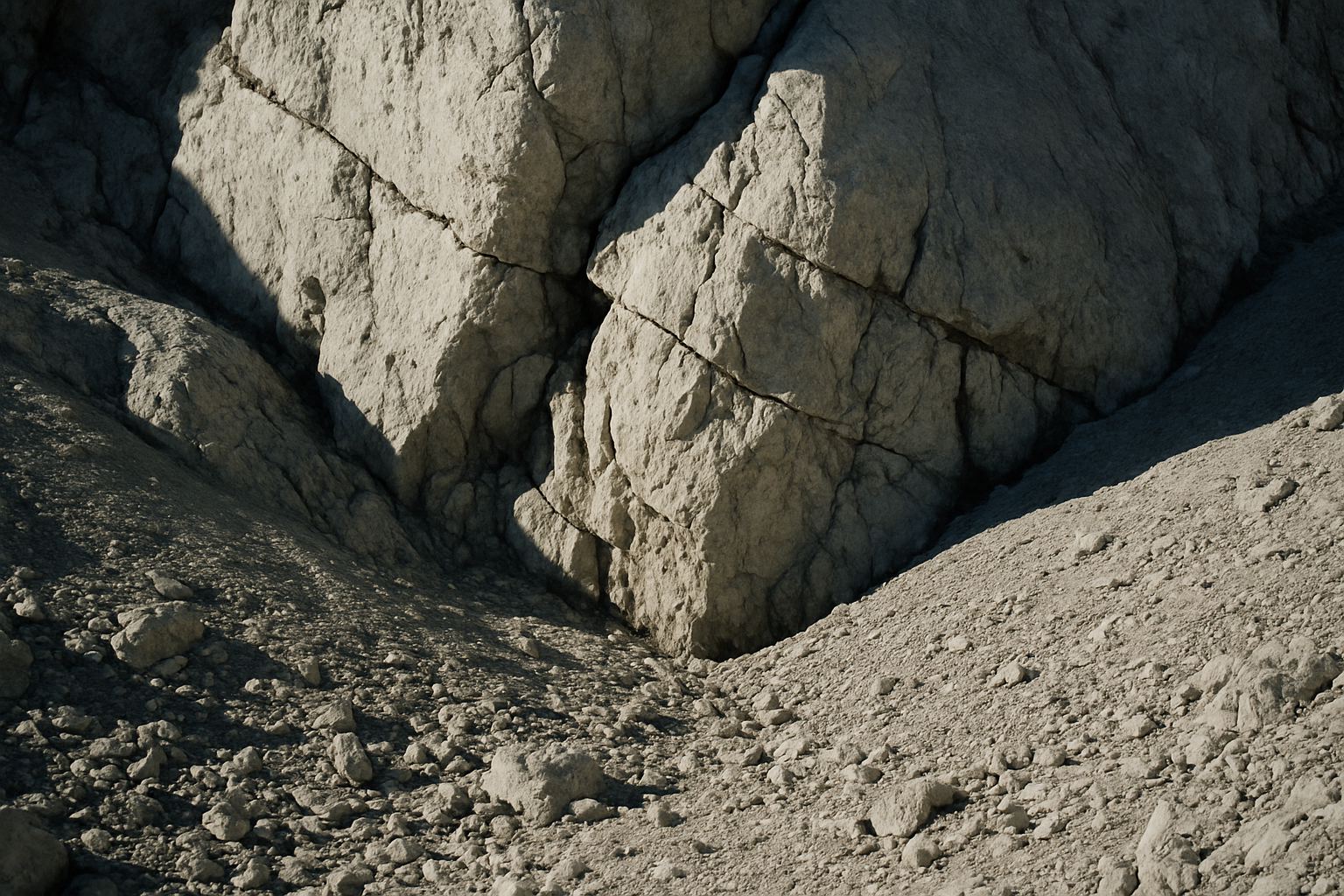
Climbing combines a long day, a reflective pale rock environment that lights surfaces facing downwards, and long static periods at a belay where nothing is happening except exposure. Chalk removes anything applied to hands and forearms almost immediately, so the realistic plan is sleeves, a brim, shade at the base and explicit acceptance for the hands.
A day at a crag is easy to misjudge because so little of it is spent climbing. The rest is spent belaying, waiting, sorting gear, eating and watching, most of it in one spot, often on a pale scree base beneath a pale rock face on a south-facing aspect chosen precisely because it catches the sun. It is a very long, very static exposure with brief bursts of effort.
That inversion, most of the day static, is the first thing to understand. The second is reflection. Limestone, granite, sandstone and chalk all bounce a meaningful amount of light back upward, so surfaces that face downwards receive a load: the underside of the chin, the underside of the nose, the underside of the forearms, and the face of anyone looking up at a leader for an hour.
| Surface | Angle to the sun | Exposed for | What removes protection | Control that holds |
|---|---|---|---|---|
| Face, looking up at a belay | Directly at the sky, plus reflection off the face above | 4h+ | Sweat is modest while static, so product holds | A brim, sunglasses, and shade at the base of the route where it exists |
| Under the chin and nose | Lit from below by reflection off pale rock and scree | 4h+ | Nothing removes it, it is never applied | Apply deliberately. This is the classic missed surface in climbing |
| Forearms | Presented at every angle while climbing, forward while belaying | 4h+ | Chalk, tape, rock contact, rope drag | Sleeves. Nothing applied survives chalk |
| Backs of the hands | Facing upward on holds and at the belay device | 4h+ | Chalk, rock, tape removal | Explicit acceptance. Protect the wrist and forearm instead |
| Back of the neck | Steep, and horizontal while looking up | 4h+ | Collar, harness, rope | A collar or a brim with rear coverage |
| Tops of the thighs | Horizontal when sitting at the base, which is most of the day | 4h+ | Harness leg loops at the edges | One thorough application. The friction here is limited |
The belay is the exposure
If you keep any record of a climbing day, keep it of how long you spend belaying. On a multi-pitch route or a busy sport crag it is the majority of the day, and it is spent stationary, usually in the same spot, frequently with the head tilted back. The face is presented to the sky for hours.
The controls at a belay are the ones that are easiest to arrange and most often neglected. Standing in whatever shade exists rather than in the sun, wherever the rope allows it. Wearing a brimmed hat where a helmet is not required, or a helmet with a peak where it is. Sunglasses, which also make it far easier to watch a leader against a bright sky.
Chalk, tape and the hands
There is no point pretending here. Chalk is designed to dry the hands and remove anything sitting on them, and it does the job thoroughly. Tape takes a layer with it when removed. Rock contact abrades. Anything applied to the palms and fingers is gone within a few minutes of starting to climb.
The realistic response is to move attention outward. The backs of the hands and the wrists get less chalk than the palms, and the forearms are the surface actually presented to the sun for most of the day. A long sleeve is the answer for the forearm and solves the abrasion problem at the same time. For the hands themselves, explicit acceptance is a legitimate column five entry when the alternative is a plan that will not survive one route.
Sea cliff climbing adds spray and immersion at the base of a route, which tempts people into reaching for water-focused guidance. It is the wrong frame for the day as a whole.
The dominant exposure at a sea cliff is a long static belay under a bright sky with reflection off both pale rock and water, plus chalk. Water resistance is not the property being tested. Duration and reflection are.
Aspect, season and the crag you chose
Climbers select crags on aspect and conditions, and the choice is usually made for friction and comfort. In spring and autumn everybody goes to the sunny south-facing crag because it is warm and dry. That choice is also a choice about exposure, and it is made at exactly the time of year when people are least likely to be thinking about it.
Altitude compounds it in the Alps and other high ranges, where ultraviolet increases with elevation and snow may be lying at the base of a route. Snow is the strongest common reflector, which is why alpinists burn under the chin, inside the nostrils and on the roof of the mouth. That is covered in more detail in the terrain section, but it applies to a spring day in the Cairngorms as much as to the Alps.
| Day | Band | Exposure feature | First control |
|---|---|---|---|
| Single pitch sport crag | 4h+ | Long static belays, pale rock, south-facing | Sleeves and a brim, plus shade at the base |
| Multi-pitch trad | 4h+ | No shade at all once committed, hanging belays | Full cover and a helmet with a peak |
| Bouldering session | 2-4h | Sitting between attempts, often on pale sand or scree | Shade between problems. It exists at most venues |
| Alpine or snow approach | 4h+ | Reflection off snow lights surfaces facing downwards | Cover, eyewear, and deliberate attention under the chin |
| Indoor to outdoor transition | 60-120 | First sunny day of the season, no plan yet | The season opener is the day people burn |
Nothing here changes anything about helmets, ropes or systems. A helmet is a safety device and its requirements come first. Where a brimmed hat conflicts with a helmet, the helmet wins and the protection comes from a peak, sunglasses and what you have applied. For anything about your skin, see a GP.
A workable crag plan
- Apply before you walk in, including under the chin and nose, the ears and the back of the neck.
- Wear a long sleeve. It handles the forearms, the abrasion and the chalk problem together.
- Take a brim for the walk in and the belays, and sunglasses for watching a leader.
- Set the bags and the belay in shade where the route and the rope allow it.
- Accept the hands. Do the backs, the wrists and the forearms instead.
- Reapply at the obvious break, which is lunch, on face, ears, neck and under the chin.
The overall shape is the same as every other long-duration sport on this site. Cover does the work, shade helps where it exists, the applied film covers what remains, and a few surfaces get explicit acceptance rather than false confidence.
Questions
Why do climbers burn under the chin?
Pale rock, scree and snow reflect light upward, so surfaces that face downwards receive a load that they never would on a grass pitch. Under the chin and under the nose are the two clearest cases, and neither is ever treated because nobody expects the sun to arrive from below.
Is there any point applying anything to hands before climbing?
Not to the palms and fingers, because chalk removes it almost immediately. The backs of the hands, wrists and forearms are worth doing, and a long sleeve does the forearm far more reliably than anything applied.
Does a climbing helmet help with sun?
It covers the crown, which is useful, and some have a small peak. It does nothing for the ears, the neck or the face, and vents let light through. Where a helmet is required it takes priority, and the rest is handled with sunglasses, a collar and what you have applied.
What about belaying in a T-shirt on a hot day?
The belay is the longest single exposure of a climbing day, spent stationary with the shoulders and the back of the neck facing the sky. A long sleeve at the belay is the least uncomfortable cover in climbing, because you are not working hard while wearing it.
Is bouldering outdoors less of a problem?
It is shorter but not short, and the time between attempts is spent sitting in the open on a pad, often on pale ground. The sessions are also social and tend to run longer than planned. Shade between problems is usually available and rarely used.
This article has no commercial links. Nothing in it is sponsored, no product is named and no payment of any kind was received for anything written here. Water Resistant SPF is published by Water Resistant SPF and recommends no products at all. Our funding is set out in full on the about page.
The session brief
One email a month on exposure, heat and sun protection for people who train outdoors and people who work outdoors. No product recommendations, because we do not make any. Each issue carries a single clearly labelled sponsor line that has no influence on anything above it.
We store your address to send the newsletter and nothing else. Unsubscribe in one click. See the privacy notice and the rate card.