Hiking in changeable conditions
Layers come on and off a dozen times in a British hill day. Every removal changes the exposure map, and nobody re-plans when it happens.
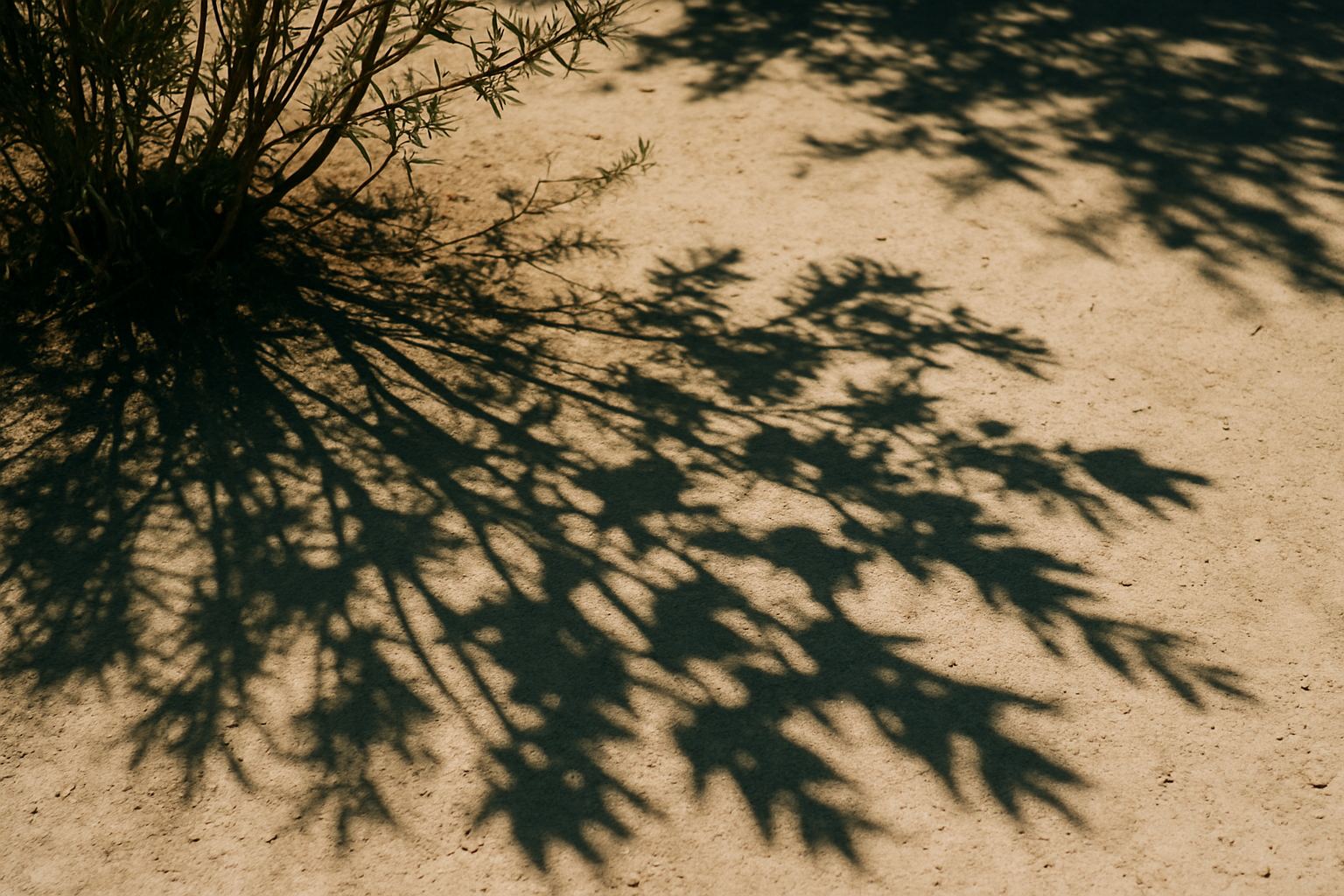
In changeable conditions the amount of skin you are showing changes repeatedly through a day, and every change is made for temperature rather than for exposure. The plan that survives is one built around a layer that never comes off, usually a light long sleeve, so that cover is independent of how warm you happen to feel at any given moment.
A British hill day is a sequence of clothing decisions. Waterproof on at the car, off after twenty minutes, sleeves pushed up on the first climb, hat off because you are sweating, hat back on at the top because it is windy, waterproof on again for a shower, everything off in the sun afterwards. Nobody counts these, and each one changes what your skin is showing to the sky.
The problem is not the changing. It is that every change is made on one input, which is how warm you feel, and exposure never enters the decision at all. Over a six hour day that produces long periods of accidental exposure at exactly the moments when the effort is highest and the load is greatest.
The moments when cover comes off
| Moment | What comes off | Exposure consequence |
|---|---|---|
| Start of the first steep climb | Waterproof, then sleeves pushed up, then hat | The ascent is often the sunniest hour and you are least covered for it |
| Top of a climb | Nothing goes back on before the view and the food | Twenty stationary minutes at the highest and brightest point of the day |
| Emerging above cloud | Nothing changes, because it feels the same | Air is suddenly clear and bright and cover has not been reconsidered |
| After a shower passes | Waterproof off, sleeves up, everything drying | Bright post-shower sun on skin that has just been uncovered |
| Lunch stop in sun | Everything off to dry out | The longest stationary period of the day, fully uncovered |
| Final descent | Hat off because the wind has dropped | Face presented forward to a lowering sun for an hour |
| Surface | Angle to the sun | Exposed for | What removes protection | Control that holds |
|---|---|---|---|---|
| Forearms | Rotating, and forward when using poles | 4h+ | Sleeves pushed up at the first climb and never pulled down | A base layer long sleeve that stays on regardless of temperature |
| Back of the neck | Horizontal when the head is down on an ascent | 4h+ | Collar, pack strap, sweat | A collar and a hat with rear coverage |
| Scalp and parting | Straight up | 4h+ | The hat coming off on the climb | A hat that is comfortable enough to keep on while working hard |
| Face | High from above, plus reflection on wet ground | 4h+ | Wind drying, sweat, wiping | A brim, plus an application before setting off |
| Chest and upper back | Near horizontal when leaning forward | 4h+ | A shirt opened at the lunch stop | Keep the base layer on and open the outer layer instead |
| Lower legs | Forward-facing, exposed in shorts | 4h+ | Vegetation, gaiters | Applied product holds reasonably here. Low friction |
The layer that never comes off
The single change that fixes most of this is deciding, before you set off, that one layer is not a temperature layer. A light long sleeve top with a collar, worn next to the skin, that stays on for the whole day regardless of how warm it gets. Everything else can be added and removed freely, because the cover no longer depends on it.
The objection is heat, and it is a real one, but it is smaller than people expect. A light long sleeve in strong sun frequently feels cooler than bare skin, because it keeps direct radiation off and holds a little moisture. It also removes the sleeve rolling decision entirely, which is worth something on its own on a long day when judgement deteriorates.
Garments carrying a marked ultraviolet protection claim are assessed against a defined European standard governing how such claims are made and marked on apparel. That marking is a more useful signal than the feel of the fabric, particularly for very light summer garments where thin, open weave and stretch all reduce what the cloth does.
Wet weather walking gets discussed as though rain were the challenge for sun protection. It is not, and the two rarely happen at the same intensity anyway.
The problem on a changeable day is what happens after the rain, when the sky clears, the ground is wet and reflective, everything comes off to dry, and you spend the sunniest part of the day with less cover than at any other point. That is a layering decision, not a formulation question.
The lunch stop, which is the longest exposure of the day
On a long walk the lunch stop is typically twenty to forty minutes, stationary, chosen for the view and therefore in the open, and taken at the middle of the day. It is frequently the single largest continuous exposure of the whole day, and it is spent with layers off and sleeves up because you have stopped moving and want to dry out.
Two small changes make a large difference. Choose the stop for shade where any exists, even partial shade behind a wall or a boulder. And use the stop as the reapplication point, because it is the only genuine break most walking days contain: face, ears, back of the neck, backs of the hands, lips. Under a minute, and it is the natural moment.
Multi-day walking
On a long-distance route the arithmetic changes. Six or seven hours a day for a week is a total dose beyond anything in recreational sport, and it is accumulated by people who have not thought of themselves as being in a high exposure situation because they are walking rather than training. It also happens with a fixed set of clothing, so any gap in the plan is repeated identically every day.
The practical advice for multi-day walking is to fix the system on day one rather than to improvise. Decide the base layer, the hat, the collar and the reapplication moment, then repeat it. If something burned on day one it will burn every day unless the system changes, which is the clearest feedback loop available in any activity on this site.
Long days in warm weather carry a heat risk that needs attention before ultraviolet does. Carry enough water, know where the next source is, and know that heat illness is an emergency if someone becomes confused or seriously unwell. The NHS publishes guidance and the number is 999.
The plan
- Decide the layer that never comes off before you leave, and make it a light long sleeve with a collar.
- Apply before setting off, including ears, back of the neck and the backs of the hands.
- Take a hat that is comfortable enough to wear while working hard, because a hat in a pocket protects nothing.
- Put whatever came off back on at the top of a climb before you stop.
- Choose the lunch stop for shade where any exists, and use it as the one reapplication point.
- On multi-day routes, fix the system on day one, because everything repeats.
Questions
Is a long sleeve really cooler than bare skin in the sun?
Many walkers find that a light, loose long sleeve in strong sun feels cooler than bare skin, because it keeps direct radiation off and holds a little moisture. It is not universal, but it is common enough that it is worth trying before dismissing it.
How much protection does a thin summer shirt give?
It depends on weave, colour, fit and whether it is stretched or wet, and a very thin open-weave garment gives less than people assume. Garments sold with a marked ultraviolet protection claim are assessed against a defined European standard for how such claims are made, which is a more reliable signal than how the fabric feels.
When should I reapply on a walk?
The lunch stop, and realistically only the lunch stop, because it is the one genuine break in a walking day. Face, ears, back of the neck, backs of the hands and lips takes under a minute and falls at roughly the right point in a six hour day.
Do I need a hat if I have thick hair?
Hair gives some cover to the scalp, but a parting is a strip facing straight up and receives a great deal. A hat also shades the face, covers the ears and can protect the back of the neck, none of which hair does.
What about walking in the rain and then bright sun?
That sequence is the classic changeable-day trap. Everything comes off to dry at exactly the moment the sky clears, the ground is wet and reflecting, and the sun is at its strongest. Keeping the base layer on while the outer layers dry solves it.
This article has no commercial links. Nothing in it is sponsored, no product is named and no payment of any kind was received for anything written here. Water Resistant SPF is published by Water Resistant SPF and recommends no products at all. Our funding is set out in full on the about page.
The session brief
One email a month on exposure, heat and sun protection for people who train outdoors and people who work outdoors. No product recommendations, because we do not make any. Each issue carries a single clearly labelled sponsor line that has no influence on anything above it.
We store your address to send the newsletter and nothing else. Unsubscribe in one click. See the privacy notice and the rate card.